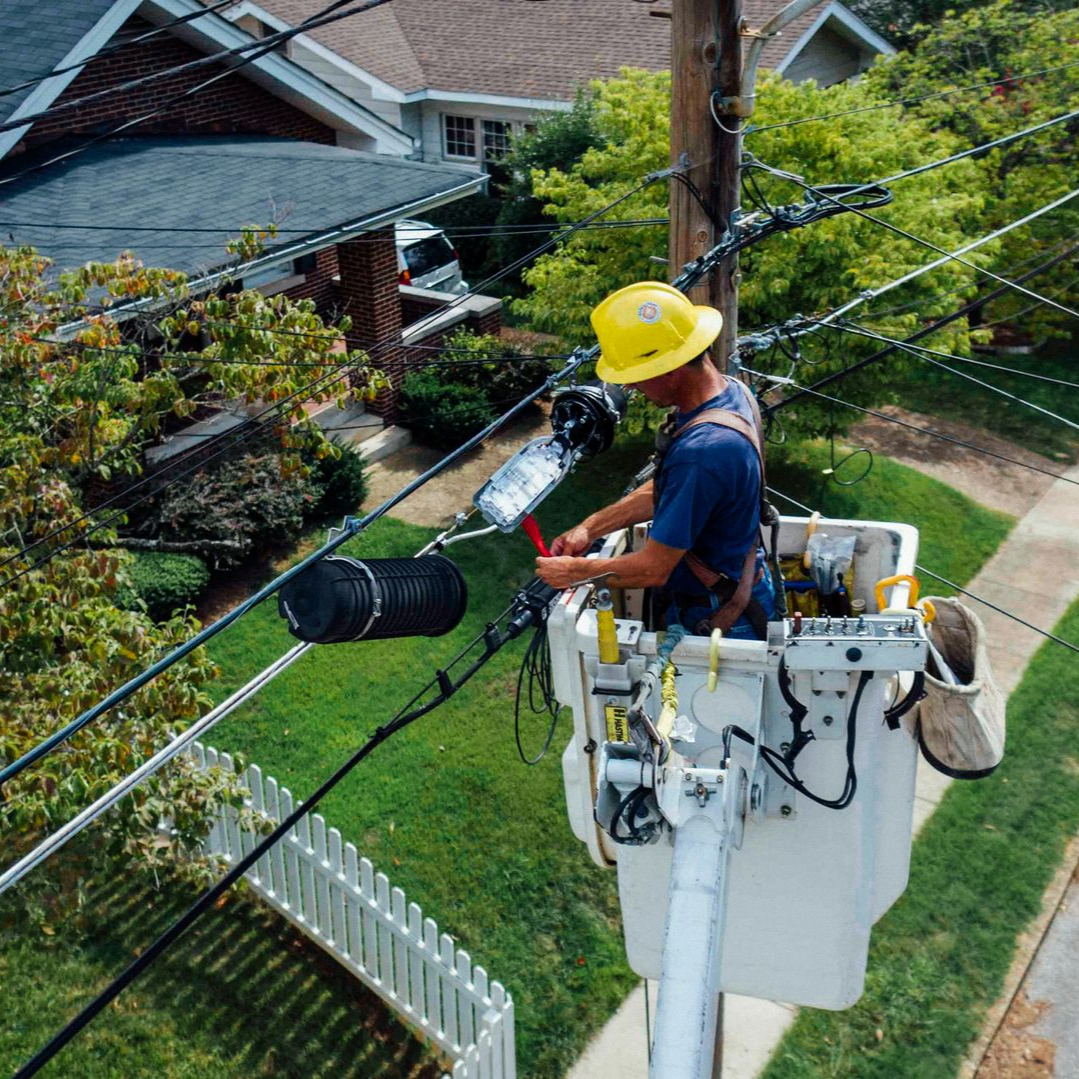
Construction project management for owners: stages, fees, and how to avoid delays
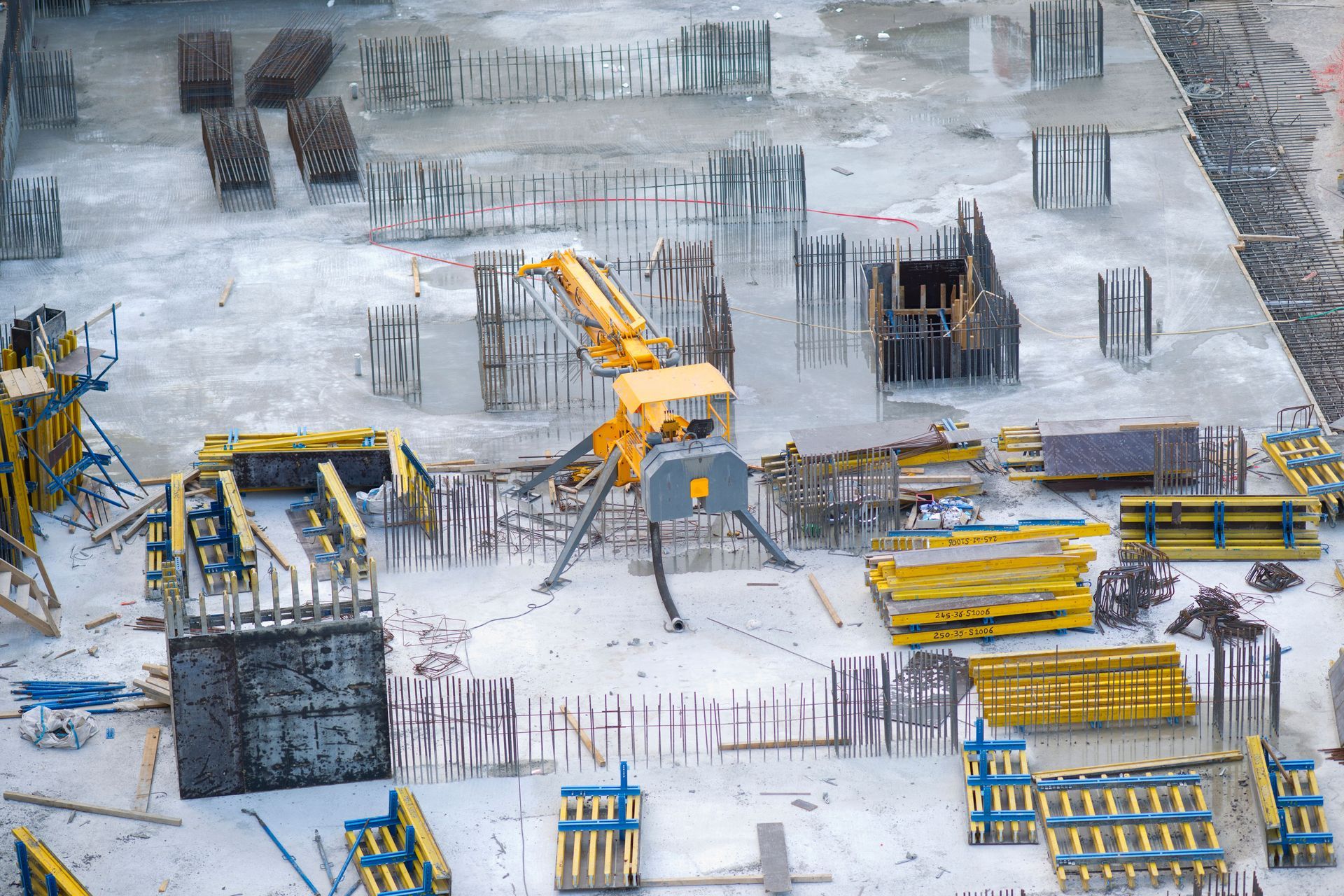
Renovations and build-outs look straightforward on paper, yet summer schedules compress, lead times shift, and small coordination misses turn into RFIs and change orders. Owners and developers carry the risk when handoffs between multiple trades are not managed with rigor. A seasoned construction project manager changes that dynamic by bringing structure, transparency, and accountable sequencing from preconstruction through commissioning.
This guide gives owners a practical view of how professional construction project management reduces risk, what the seven stages look like with clear deliverables, how fees are typically structured, and how integrating mechanical, electrical, and plumbing under one coordinated team shrinks handoffs and accelerates closeout. You will also find an owner’s checklist with questions, cadence, and success metrics you can apply immediately.
Service Solutions Unlimited Group (SSU) provides single-source, multi-trade coordination for residential, commercial, and industrial projects. If you want an integrated plan that compresses timelines and limits surprises, this is the model to evaluate as you plan your summer work.
What construction project management does for owners
Construction project management in this context means disciplined planning, procurement, coordination, and control of scope, schedule, budget, quality, and risk across all trades and vendors. In practice, your project manager:
- Aligns the scope with drawings, specifications, and code requirements, then builds a work breakdown structure that matches permitting and inspection milestones.
- Builds an integrated schedule that sequences site readiness, demo, rough-in, inspections, finishes, commissioning, and closeout to minimize idle time and rework.
- Coordinates multi-trade activities with one accountable lead so electrical verification, HVAC startup, plumbing tie-ins, and controls integration occur in lockstep.
- Establishes QA/QC checkpoints with documented inspections, submittal reviews, and commissioning scripts to verify performance before handoff.
- Manages risk and change, surfacing field conditions early, controlling scope creep through a defined change process, and keeping the owner informed through concise reporting.
In short, construction project management in construction is the disciplined orchestration that turns drawings and intent into a safe, compliant, right-first-time build.
The seven stages and key deliverables
Owners benefit when stages are explicit and tied to observable deliverables. The following seven-stage framework keeps teams aligned.
- Pre-design and discovery
Capture objectives, constraints, and existing conditions. Deliverables include stakeholder requirements, site surveys, utility data, and risk register starters. For MEP-heavy work, early assessments reduce downstream surprises, especially around electrical capacity, ducting constraints, and water service. - Design and scope definition
Translate requirements into drawings, performance criteria, and specifications. Deliverables include design packages, outline specs, and a basis-of-design narrative that defines capacities, code references, and commissioning intent. - Preconstruction planning and procurement
Lock the plan before mobilization. Deliverables include the work breakdown structure, integrated CPM schedule, procurement log, submittal register, permit path and timelines, safety plan, and a cost baseline with allowances and alternates. Early submittal reviews for equipment, controls, and fixtures prevent schedule slips. - Permitting and approvals
Secure permits and required notices, coordinate with authorities having jurisdiction, and prepare for inspections. Deliverables include stamped drawings, permit receipts, inspection schedules, and documented code compliance strategies. - Construction and installation
Execute the plan with tight coordination. Deliverables include daily reports, look-ahead schedules, RFI tracking, change control logs, and QA/QC records. Trade sequencing matters here. For example, SSU aligns electrical rough-in, plumbing rough-in, and HVAC ductwork so penetrations, supports, and access clearances meet code and manufacturer requirements. - Commissioning and verification
Prove performance against the basis of design. Deliverables include prefunctional checklists, functional test forms, startup reports, air and water balance records, infrared scans for electrical terminations, torque audit results, and deficiency logs cleared before turnover. - Closeout and handoff
Deliver a complete, usable project. Deliverables include as-builts, O&M manuals, warranty documents, training sessions, and a tailored maintenance plan. For operational continuity, SSU often pairs closeout with a rolling 12-month maintenance schedule across HVAC, electrical, and plumbing, linking asset records to future service.
Fee structures and what is included
Project management fees are typically presented as a percentage of construction cost, a fixed fee tied to defined scope, or time-and-materials with a not-to-exceed cap. A normal project management fee commonly falls in a mid-single-digit range as a percentage of total construction cost, though actual numbers vary by complexity, risk profile, and client reporting requirements. Large, multi-phase or mission-critical projects often justify higher oversight, while smaller, low-risk scopes may fit a fixed-fee model.
What should be included:
- Coordination and scheduling across trades and vendors
- Cost control and change management with transparent logs
- Submittal reviews and document control
- Safety planning and compliance oversight
- QA/QC, commissioning coordination, and punchlist closure
- Owner reporting, meeting facilitation, and risk register management
SSU ties engagement milestones to quality gates, not just dates, so payment aligns to approved submittals, passed inspections, and verified system performance.
Why integrated MEP and trades under SSU reduce delays
Every handoff between independent vendors is a potential delay. When plumbing, electrical, HVAC, controls, and envelope work are integrated under one coordinated management structure, design clarifications and field adjustments are handled in hours, not weeks.
Examples include:
- Coordinated HVAC startup with on-site electrical verification and controls tuning, which compresses commissioning and reduces callbacks. If you want to understand what a complete HVAC installation entails, review SSU’s overview of HVAC services that covers matched equipment, controls integration, and commissioning in detail at the HVAC services page.
- Plumbing rough-in aligned with electrical pathways and equipment clearances so there is no rework during ceiling closures. If plumbing service scope extends beyond a project, SSU’s plumbing services cover routine needs such as inspections, repairs, and replacements.
- Single mobilizations that combine rooftop checks with electrical infrared scans and drain maintenance to limit shutdowns. Where building controls are involved, see how building automation systems enable trend logging, alarms, and functional testing to streamline commissioning.
By shrinking handoffs and centralizing accountability, SSU reduces RFIs, avoids serial dependencies, and maintains schedule integrity.
Owner checklist for a predictable summer build
Use this concise checklist to keep your project on track.
Questions to ask your PM:
- What are the critical path activities, and how will you protect them if a delivery slips?
- Which inspections and commissioning tests are on the schedule, and what documentation will I receive?
- How will you manage changes, and when will I see potential cost or schedule impacts?
Meeting cadence and artifacts:
- Weekly OAC meetings with a 3-week look-ahead, RFI log, submittal status, and risk register reviewed every session.
- Formal stage gates at design freeze, procurement release, rough-in complete, prefunctional complete, and substantial completion, each tied to defined deliverables.
Success metrics:
- Planned vs actual schedule variance within agreed tolerance
- Change order rate as a percentage of contract value, trended weekly
- Deficiencies at substantial completion closed before final payment
- QA/QC pass rate on first inspection and first-start success for equipment
If you prefer a single accountable lead for this cadence, SSU’s project management services outline how integrated scheduling, standardized checklists, and consolidated reporting work in practice.
FAQ: quick answers for owners
What does construction project management do?
It plans, coordinates, and controls scope, schedule, budget, quality, and risk from preconstruction to closeout, aligning all trades and documenting performance.
What are the seven stages of construction?
Pre-design, design and scope definition, preconstruction planning and procurement, permitting and approvals, construction and installation, commissioning and verification, and closeout and handoff.
What is a normal project management fee?
Fees are commonly a percentage of construction cost or a fixed fee. Mid-single-digit percentages are typical, but actual figures vary by complexity, risk, and reporting requirements.
What do I need to be a construction project manager?
Owners should expect the PM to bring experience across permitting, scheduling, multi-trade coordination, safety compliance, QA/QC, and commissioning, supported by document control, risk management, and clear reporting. Formal credentials and trade knowledge strengthen outcomes.
What is project management in construction?
It is the disciplined application of processes, tools, and leadership to deliver a safe, compliant build that meets scope, budget, and schedule with verified performance at turnover.
Put an integrated plan to work
A capable project manager does more than host meetings. They protect your schedule with tight sequencing, reduce change orders through early coordination, and prove performance at commissioning. If your summer timeline is tight and multiple trades are in play, consider a single-source model. Explore SSU’s construction project management approach to see how integrated planning, QA/QC, and commissioning come together, or connect with the team to develop an integrated PM plan for your next project.
Internal resources for deeper context:
- Learn how integrated planning and reporting come together on the construction project management page.
- Review HVAC integration and commissioning considerations on the HVAC services overview.
- See how Building Automation Systems improve verification and long-term performance.