Building Automation Systems 101: Costs, benefits, and when to upgrade
Facilities run on many moving parts, and when the goal is comfort, code compliance, and controllable energy spend, coordination is everything. Building Automation Systems bring that coordination into one reliable framework, unifying HVAC, lighting, and other building systems so they respond to schedules, occupancy, and performance targets without constant manual intervention.
This guide explains what a Building Automation System is, how it works, where it fits relative to SCADA, what typical costs look like by scope, and how a phased rollout can reduce downtime. The intent is practical clarity, not hype, so you can evaluate readiness, set expectations, and plan an upgrade that aligns with your budget and operational realities.
What a building automation system is and how it works
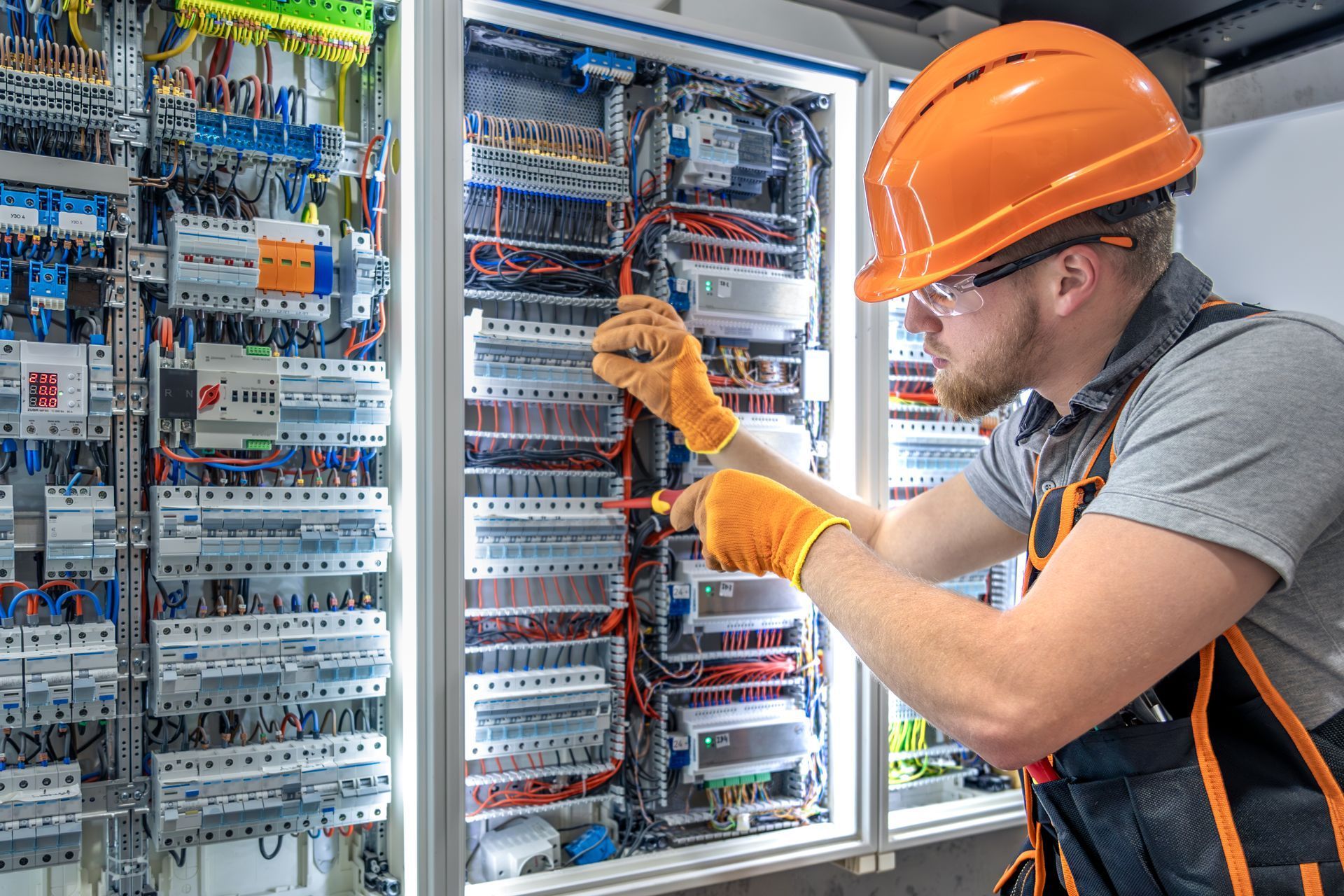
A Building Automation System (BAS), sometimes called a Building Management System (BMS), is the centralized platform that monitors and controls building systems. It connects field devices such as temperature, humidity, and CO2 sensors; actuators and variable frequency drives; and equipment controllers for air handlers, boilers, chillers, rooftop units, terminal units, exhaust fans, and lighting panels. The system ingests data, applies rules and schedules, and then issues commands to maintain comfort setpoints, optimize energy use, and alert staff to anomalies.
Modern BAS platforms typically include:
- Networked controllers at the equipment level using open protocols such as BACnet or Modbus
- A supervisory server or head-end that aggregates data, runs analytics, and hosts the database
- A user interface or dashboard for trend viewing, alarms, and scheduling that is accessible from a workstation or secure browser
- Integration bridges for lighting control, metering, demand response, and in some cases access control or fire panel status monitoring
When designed and commissioned well, the BAS becomes the single source of truth for performance, providing real-time visibility and historical trends that inform maintenance decisions and capital planning.
Common use cases you can expect on day one
Most facilities start with a core set of sequences that deliver fast, measurable value:
- HVAC scheduling that aligns occupancy with temperature setpoints and ventilation rates, including morning warm-up or cool-down and night setback
- Lighting control tied to time schedules, daylight sensors, or occupancy sensors to reduce after-hours waste
- Indoor air quality (IAQ) monitoring with CO2-based ventilation reset and filter status tracking to support comfort and code compliance
- Fault detection and diagnostics that surface issues such as sensor drift, valve leakage, simultaneous heating and cooling, or excessive equipment cycling before they become comfort complaints
Additional layers can include utility metering, demand limiting during peak periods, and automatic notifications routing to operations teams or integrated service partners for timely response.
SCADA vs. BMS, and where each is used
Supervisory Control and Data Acquisition (SCADA) systems and BMS platforms share similar building blocks, yet they are optimized for different contexts. A BMS is purpose-built for buildings, focusing on HVAC, lighting, and energy management with standard building protocols and sequences. SCADA is prevalent in industrial environments, utilities, and process plants where continuous process control, custom logic, and higher-speed data acquisition are required.
In mixed-use or industrial campuses, both may coexist. A BMS may manage offices, labs, and common spaces, while SCADA oversees process lines, water treatment, or critical manufacturing assets. Integration at the data layer can provide a campus-wide view, but ownership, cybersecurity policies, and change control should remain aligned with each system’s risk profile and operational needs.
Cost ranges and what drives pricing
BAS pricing varies widely by facility size, device count, protocol choices, software licensing, and whether the project is a retrofit or a new build. The figures below are directional, intended to frame budgets rather than serve as quotes, and can vary based on local labor conditions and final scope.
- Small commercial spaces (5,000 to 25,000 square feet) often see starter systems in the range of tens of thousands of dollars, covering a handful of air handling units or rooftop units, terminal devices, a head-end, and basic dashboards.
- Mid-size buildings (25,000 to 150,000 square feet) typically land in the mid-five to low-six figures, depending on the number of controlled points, integration to lighting and metering, and analytics features.
- Large commercial or institutional facilities (150,000 square feet and up) and multi-building campuses can range into higher six figures and beyond due to point density, redundancy, enterprise features, and cybersecurity requirements.
Factors that influence cost and schedule include:
- Retrofit vs. new construction, since retrofits may require gateway devices, controller swaps, or rewiring to replace proprietary protocols with open standards such as BACnet
- Functional scope, including lighting integration, metering, analytics, and advanced fault detection that add software and commissioning hours
- IT and cybersecurity, such as network segmentation, certificate management, user directory integration, and secure remote access
- Compliance and documentation, for example sequence of operations, commissioning reports, and owner training that support long-term reliability
Because each site is unique, Service Solutions Unlimited recommends a readiness audit to inventory systems, define goals, and produce a phased plan with prioritized paybacks.
Installation complexity and how to minimize downtime
Is a BAS system hard to install? The technical work requires certified controls professionals, yet the operational impact can be managed. The path is methodical: survey existing equipment and controls, confirm network design and protocol strategy, stage hardware, and preconfigure controllers and graphics. Phased rollout then reduces disruption by targeting zones or equipment groups during planned windows, coordinating with occupants, and keeping legacy controls in place until cutover.
Service Solutions Unlimited uses Single-Source Utility (SSU) project management to orchestrate trades, schedules, and commissioning. With HVAC technicians, electricians, and controls specialists under one umbrella, the team can align panel power, sensor placement, and air balance in lockstep. For facilities that cannot afford downtime, night and weekend work, temporary controls, and parallel monitoring can further limit risk and preserve comfort during transition.
If your site also needs supporting work, integrated teams streamline coordination. For example, electrical scope is handled by a licensed
electrician, while HVAC upgrades or
HVAC services proceed in sequence with controls installation. When projects expand, our coordinated
construction project management ensures consistent quality and documentation from kickoff through closeout.
Measurable outcomes facility leaders track
Well-implemented automation pays back in ways that are visible on monthly utility statements and in the daily experience of occupants and staff. Typical outcomes include energy reductions from optimized schedules and setpoint resets, fewer service calls due to proactive alarms and fault detection, stabilized temperatures and improved IAQ that reduce hot-cold calls, and clearer maintenance planning informed by trend data. Over time, data-driven tuning often delivers additional savings as sequences are refined and equipment issues are corrected before efficiency degrades.
To maintain momentum, pair the BAS with preventive maintenance and periodic recommissioning. Seasonal reviews of schedules, setpoints, and sensor calibration can protect gains, while operator training keeps the system from drifting into manual overrides that erode value.
When to upgrade or start fresh
Consider a BAS upgrade when any of the following are true: comfort complaints are frequent, energy use is rising without an obvious cause, parts of the building are on manual control, your system is locked behind proprietary protocols that limit vendor flexibility, or your current platform is out of support and cannot meet cybersecurity expectations. New construction is the ideal time to deploy open-protocol controls and standardized sequences, yet retrofits can often capture most of the same benefits with careful planning.
A readiness audit will clarify the baseline, identify fast-payback measures such as scheduling and ventilation resets, and outline a phased roadmap that aligns to capital cycles and operational constraints.
Quick FAQ
- What are building automation systems? A BAS or BMS is the centralized control and monitoring platform for HVAC, lighting, and related building systems, using sensors, controllers, and software to maintain comfort and optimize energy.
- What are examples of automation systems? Typical examples include HVAC scheduling, lighting control, indoor air quality monitoring with CO2-based ventilation reset, and fault detection and diagnostics that alert teams to issues early.
- What is SCADA vs BMS? BMS focuses on building systems such as HVAC and lighting, while SCADA is engineered for industrial processes and utilities that require high-speed data acquisition and custom process control.
- How much does a building automation system cost? Costs vary by size and scope, from tens of thousands of dollars for small sites to six figures and beyond for large or multi-building facilities; a site-specific assessment is the only reliable way to budget accurately.
- Is a BAS system hard to install? Installation is specialized, but disruption can be minimized through phased rollouts, off-hours work, and coordinated SSU project management that keeps comfort and operations stable during cutover.
Next step
If centralized control, measurable energy savings, and fewer comfort complaints align with your goals, schedule a BAS readiness audit with Service Solutions Unlimited. Our integrated approach unites controls, HVAC, and electrical expertise to deliver reliable results with unmatched convenience, from initial assessment through commissioning and ongoing support. For related scopes that touch the project, from licensed
electrical services to coordinated
construction management, our single-source model reduces stress and keeps your facility on a dependable path forward.