Commercial Facility Maintenance: What It Includes, Why It Matters, And How To Streamline It
Keeping a commercial facility running is not just about fixing what breaks, it is about protecting people, minimizing downtime, and extending the life of every asset you manage. When you coordinate plumbing, electrical, HVAC, and building systems under one plan with one accountable partner, you reduce surprises, control costs, and give your teams the uptime they need. This guide defines commercial facility maintenance in practical terms, outlines how different maintenance strategies work, and shows how a single-vendor model streamlines multi-trade work, reporting, and results.
What commercial facility maintenance includes
Commercial facility maintenance is the coordinated care of a building’s systems, spaces, and equipment to keep operations safe, compliant, and reliable. In day-to-day practice, this includes: Mechanical, electrical, and plumbing systems, including routine inspections, testing, and service tasks that keep assets within safe operating ranges. HVAC systems, from seasonal tune ups and filter changes to diagnostics, component repairs, and capital planning for replacements. Building envelope elements, such as roofs, windows, and seals, including inspections that prevent water intrusion and energy loss. Life safety and compliance tasks, including emergency lighting checks, GFCI testing, and documentation of inspections. Grounds and general upkeep, such as doors, drywall, flooring, fixtures, and finishes that affect tenant satisfaction and brand standards. Work order management, asset records, and reporting that turn maintenance into a measurable program rather than a reactive cost center.
In short, if it affects safety, comfort, code compliance, or uptime, it belongs in your maintenance plan. This frames the answer to two common questions. What is commercial facility maintenance, and what is included in property maintenance? It is the structured program that covers MEP systems, HVAC, building envelope, interiors, and the processes and documentation that prove you are managing risk and cost.
Why maintenance matters for purpose, risk, and ROI
The purpose of facility maintenance is threefold. First, protect safety and compliance through regular inspections, testing, and corrective actions that meet code and manufacturer standards. Second, maximize uptime and tenant or occupant comfort with reliable climate control, lighting, and water systems that perform under load. Third, reduce lifecycle cost by extending asset life, avoiding catastrophic failures, and timing replacements with data instead of guesswork.
A well run program reduces emergency callouts, avoids inventory spoilage and equipment shutdowns, and limits liability from leaks, electrical faults, and air quality issues. Across a portfolio, the gains compound, fewer disruptions, better energy performance, cleaner audits, and more predictable budgeting.
The four types of maintenance and where each fits
Facility leaders often ask, what are the 4 types of maintenance? Each type has a place in a balanced program:
Preventive maintenance, scheduled tasks based on time or usage. Examples include air filter changes, belt replacements, lubrication, valve exercises, and electrical terminations checks. Preventive work is the backbone that prevents drift and detects early wear. Predictive maintenance, data informed interventions based on condition trends. Using vibration readings, thermography, runtime data, or BAS alerts, you service assets when indicators show degradation. This reduces unnecessary work while catching faults before failure. Corrective maintenance, planned repairs that address known issues identified during inspections. You schedule these promptly to control risk and cost while avoiding emergency rates. Condition based maintenance, inspections and tests that trigger work according to measured conditions, for example, replacing a contactor when heat signatures spike, or scheduling a coil cleaning when delta T falls outside targets.
An effective plan blends these modes, using preventive routines for baseline reliability, predictive and condition based tactics for high value assets, and corrective work to close gaps found during rounds.
What an integrated maintenance plan includes across MEP, HVAC, and the envelope
A comprehensive, multi trade plan aligns scope, frequency, and documentation:
- Plumbing, annual and semiannual fixture checks, leak inspections, water heater flushing, backflow tests, cleanout verifications, and emergency valve tagging. Keep response vendors ready for blockage mitigation and drain cleaning when sensor data shows flow issues.
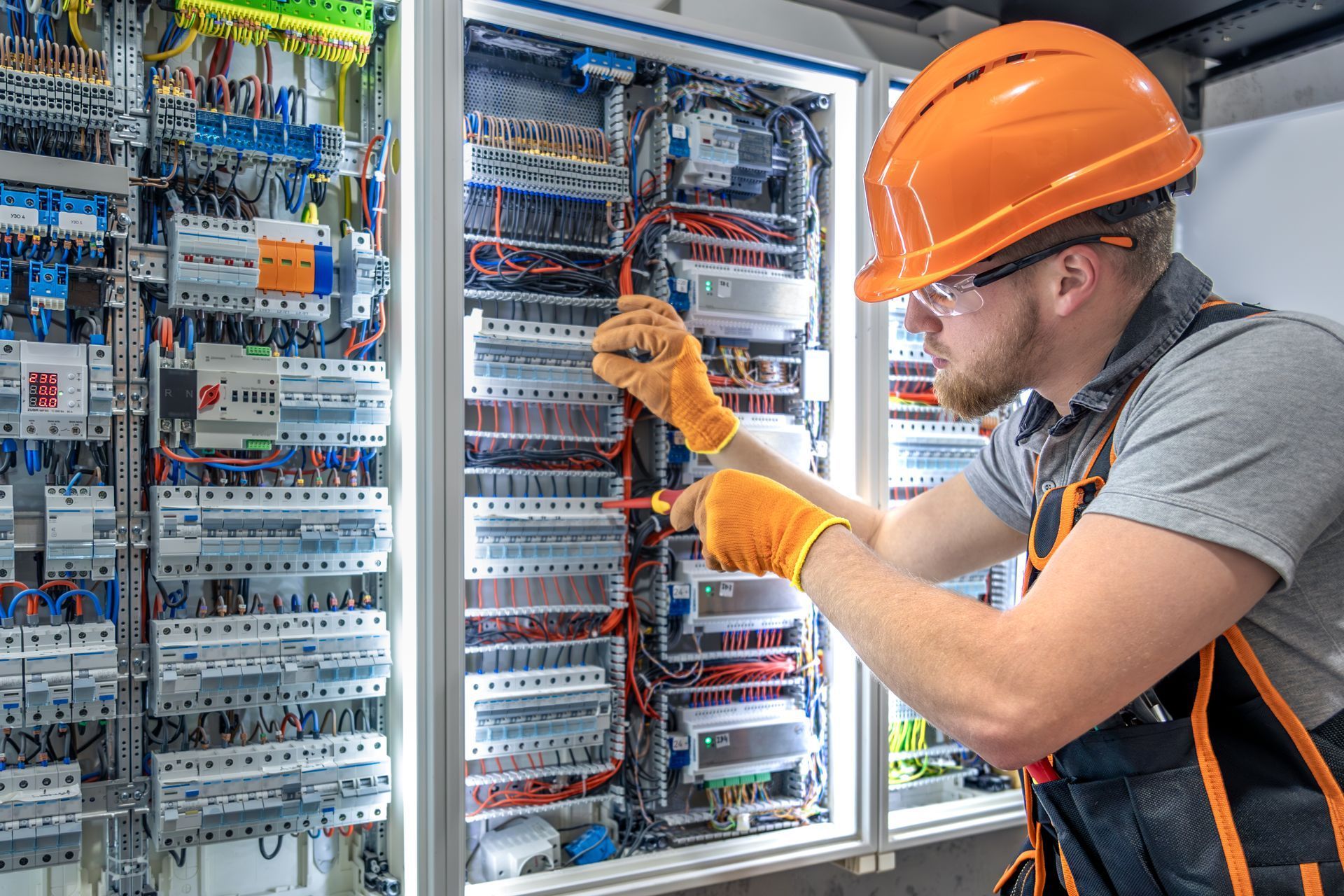
- Electrical, panel torque and thermal scans, lighting relamp schedules, generator load testing, GFCI and exit lighting tests, and arc flash documentation. Engage a qualified commercial electrician to maintain compliance and uptime.
- HVAC, seasonal start ups and shutdowns, coil and drain maintenance, airflow balancing checks, economizer calibration, and refrigerant leak tests. Tie service logs to your hvac services plan so filters, belts, sensors, and setpoints stay current.
- Building envelope, semiannual roof inspection, sealant and flashing checks, and window replacement planning for energy and comfort improvements.
- Building automation systems, trend reviews, alarm setpoint optimization, and schedule tuning that aligns HVAC and lighting to occupancy.
Include a rolling 12 month calendar, asset registry with criticality rankings, SOPs for common issues, and a communication plan that defines who approves work, who gets notified, and how reports are archived.
KPIs that keep performance visible
To improve facility maintenance, make outcomes measurable and visible. Track: Response time, measure the average time to acknowledge and to resolve work orders by priority. Work order backlog, trend open tasks by age and trade to spot bottlenecks before they hit operations. Asset uptime, use percentage uptime for critical systems, supported by mean time between failures and mean time to repair. Lifecycle cost, combine maintenance, energy, and capital spend per asset to justify repair versus replace decisions. Planned versus unplanned ratio, aim to shift toward planned work, which costs less and reduces disruption. First time fix rate, monitor how often a technician resolves an issue in one visit, a direct proxy for parts stocking and diagnostic accuracy. Inspection compliance rate, ensure high risk tasks are completed and documented on schedule. A monthly KPI review with clear owners and actions is where continuous improvement takes root.
How coordinated scheduling and single point communication cut downtime
Unplanned disruptions often come from fragmented scheduling and handoffs between vendors. When plumbing, electrical, and HVAC teams operate separately, you get repeat site visits, duplicated lockout procedures, inconsistent notes, and after hours surprises. A single vendor with integrated scheduling solves this by stacking multi trade tasks in one window, aligning equipment access, and capturing findings in one report, which reduces overtime exposure and tenant impact.
For example, schedule roof top unit PMs, electrical infrared scans, and roof drain checks together. The crew secures roof access once, completes HVAC inspections, photographs electrical panels under load, clears debris at drains, and logs corrective items with priorities. One mobilization, one safety briefing, one consolidated report, faster approvals, and faster closeout.
How Service Solutions Unlimited streamlines facility maintenance
Service Solutions Unlimited delivers facility maintenance as an integrated, single source program for plumbing, electrical, HVAC, building envelope, and general repairs. You work with one coordinator who builds your annual plan, schedules multi trade visits, and consolidates findings into actionable reports with clear priorities and budgets. Our technicians follow standardized checklists by asset type, align to manufacturer specifications, and document readings so trends become decisions, not guesswork. When an urgent issue arises, the same team dispatches the right specialists without passing you between vendors, and your site information stays consistent across trades.
This model improves first time fix rates by bringing the right skills and parts to the call. It cuts downtime by combining routine tasks into fewer visits. It improves capital planning by tying field data to lifecycle recommendations. Most importantly, it reduces your administrative load so you can focus on operations, not coordination.
Summary and next steps
Commercial facility maintenance protects safety, uptime, and budgets through a structured program that spans MEP systems, HVAC, the building envelope, and the processes that bind them together. Use a balanced mix of preventive, predictive, corrective, and condition based maintenance, track KPIs that reflect response, backlog, uptime, and lifecycle cost, and coordinate work so multi trade tasks happen together with one accountable partner. If you are ready to simplify your portfolio with a single source maintenance program, request an assessment and maintenance roadmap from Service Solutions Unlimited, and gain reliable results with fewer vendors and less downtime.