HVAC installation guide: timeline, costs, and what’s included this spring
Spring is the ideal window to replace or upgrade HVAC equipment before summer heat strains older systems, exposes ductwork issues, and lengthens lead times. Planning now protects comfort and budget, and it gives installers the space to do the job correctly with proper sizing, coordinated electrical work, and full commissioning.
This guide sets clear expectations for scope, schedule, and value. It explains what is actually included in a professional HVAC installation, how timelines change by property type and complexity, why costs vary so widely, and why do-it-yourself shortcuts usually create code, warranty, and safety problems. It also outlines how Service Solutions Unlimited Group (SSU) coordinates multiple trades to compress timelines and deliver right-first-time results, then hands off a maintenance plan so performance holds through the summer.
What a full-scope HVAC installation includes
A proper HVAC installation is a coordinated project, not just a drop-in equipment swap. The sequence typically includes:
- Load calculations and site assessment. A Manual J and Manual S approach for homes, and a room-by-room survey with occupancy, envelope, and ventilation considerations for light commercial spaces, confirm capacity requirements. This step prevents oversizing that causes short cycling and humidity problems, or undersizing that leaves rooms uncomfortable on peak days.
- Equipment selection aligned to goals. Choices span split systems, heat pumps, gas furnaces with air conditioning, or packaged rooftop units, with attention to Seasonal Energy Efficiency Ratio 2 (SEER2), Heating Seasonal Performance Factor 2 (HSPF2), furnace AFUE, and refrigerant type. The contractor should match staging or variable capacity to your comfort and energy priorities.
- Ductwork evaluation and adjustments. Leaky, undersized, or poorly balanced ducts undermine even the best equipment. Expect repairs or resizing of key runs, new plenums, improved returns, proper sealing and insulation, and final air balancing to hit target static pressure and airflow.
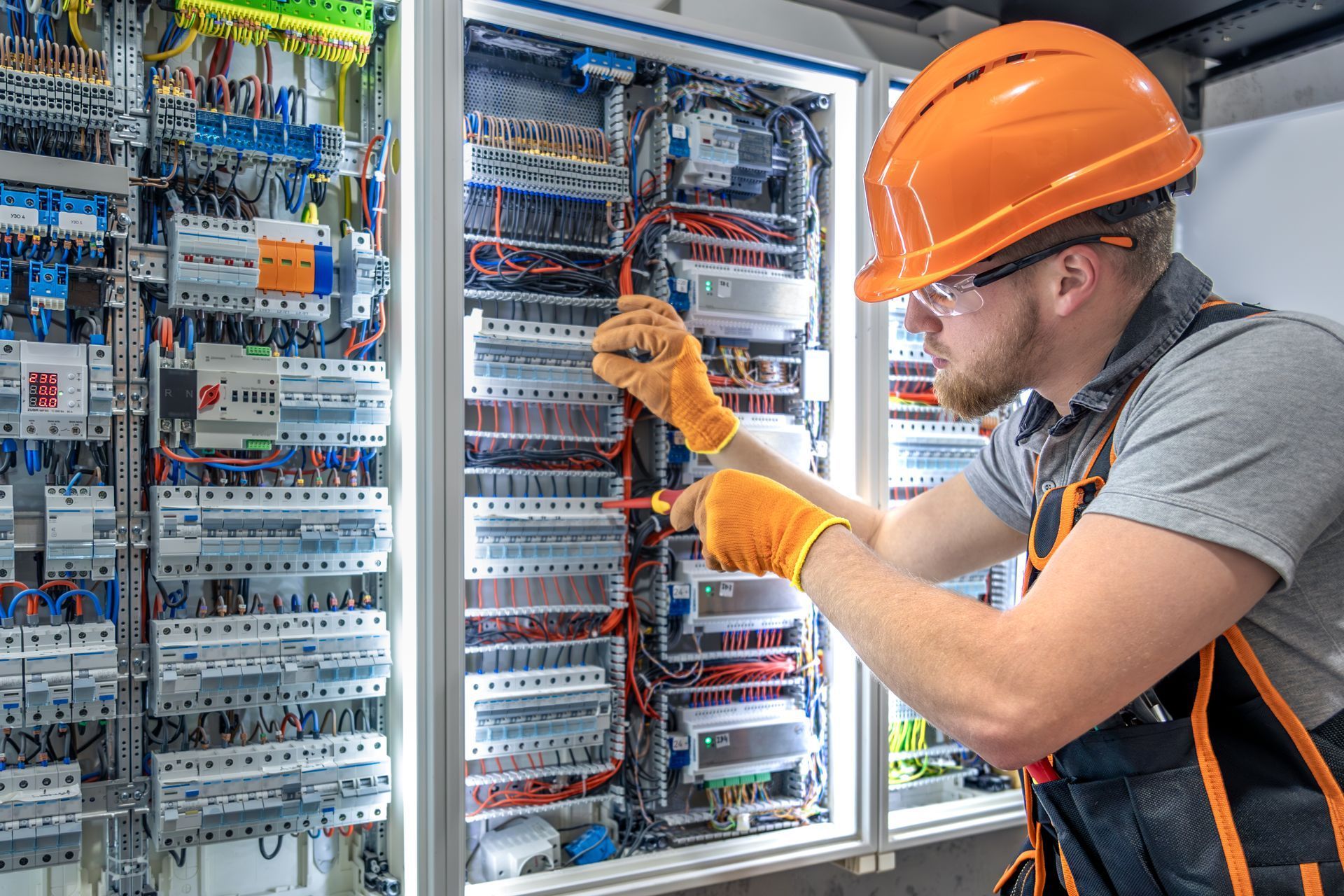
- Electrical readiness. Panel capacity, breaker and wire sizing, dedicated circuits, disconnects, and grounding must meet National Electrical Code (NEC) requirements. For rooftops or commercial suites, this may include conduit runs, rooftop safety, and coordination with an electrician for verification and torque audits.
- Refrigerant lines and condensate management. New or flushed line sets sized to manufacturer specifications, proper brazing and nitrogen purging, pressure testing and evacuation to deep vacuum, plus code-compliant condensate drains with traps and overflows protect equipment and interiors.
- Controls and ventilation. Smart thermostats or BAS integration, outdoor sensors, economizer checks on rooftop units, and verification of ventilation rates to support indoor air quality (IAQ) are part of a complete deliverable.
- Permits, inspections, and commissioning. Pulling permits, scheduling inspections, and documenting commissioning readings are essential. Final commissioning includes startup checklists, sensor verification, superheat and subcooling values, static pressure, temperature split, and confirmation that safeties trip as designed.
In short, what is included in a new HVAC system is more than the box. It is the matched equipment, the adjusted distribution system, the electrical and control interfaces, and the documented commissioning that proves the system performs to specification.
If your project involves added electrical scope, SSU integrates certified teams to complete panel or circuit work efficiently. Learn more about our coordinated
electrical services if your retrofit requires upgrades.
How long an HVAC install takes
Timelines depend on property type and existing conditions:
- Standard residential replacement with like-for-like indoor and outdoor units, good ductwork, and no electrical changes typically completes in 1 day, with commissioning included.
- Residential replacement with duct repairs, line set replacement, and electrical updates often requires 1.5 to 2.5 days. Add another half day if drywall access and finish work are needed.
- Light commercial rooftop unit replacement with crane lift, curb adaptation, and controls integration usually spans 1 to 3 days per unit, depending on curb modifications and BAS tie-ins. Permitting and crane scheduling add lead time, but on-site work is typically staged to limit tenant impact.
- Multi-unit properties or projects with significant duct redesign, asbestos abatement, or panel upgrades extend the schedule. In these cases, SSU uses single-source coordination to stack trades and compress the critical path.
For urgent failures, temporary cooling or staged cutovers can bridge comfort until final commissioning. Where a controls integration is involved, we schedule evening or weekend switchover to minimize downtime.
Why HVAC installation can cost more than expected
Sticker shock usually comes from hidden scope that directly affects performance and code compliance. Key cost drivers include:
- Efficiency and capacity. Higher SEER2 or variable-capacity systems cost more upfront but can stabilize temperatures, reduce cycling, and trim operating costs.
- Duct condition and airflow targets. Sealing, resizing, new plenums, and balancing add labor and materials but are essential to reach manufacturer-specified static pressure and deliver even comfort.
- Electrical upgrades. Panel capacity, breakers, and new circuits add cost, especially in older homes or when changing fuel type or equipment size.
- Controls and IAQ add-ons. Smart thermostats, zoning, high-MERV filtration, UV lights, humidification, or energy recovery add capability and complexity.
- Structural or access needs. Roof curbs, crane time for rooftop units, condensate pumps, line set rerouting, and drywall or finish restoration are situational drivers.
- Local code and permits. Legitimate projects include permits, inspections, and documented commissioning. Cutting these corners may lower quotes but often raises lifecycle costs and risk.
SSU’s approach is to surface these items early so you can make informed tradeoffs. If your system falters while you plan a replacement, our team can stabilize performance with seasonal service or targeted
HVAC repair while you finalize the scope.
Why DIY is risky
HVAC replacement is not a plug-and-play task. Common DIY pitfalls include incorrect sizing that damages comfort and efficiency, mismatched indoor and outdoor coils that impair dehumidification, improper charging that shortens compressor life, and electrical work that violates NEC requirements. Unpermitted installations can trigger insurance and resale issues; most manufacturers require licensed installation and commissioning for warranty validity. Safety is paramount around refrigerants, electrical systems, roof work, and combustion appliances. A qualified HVAC contractor manages these risks with documented procedures, calibrated instruments, and code-compliant practices.
How SSU coordinates trades to deliver right-first-time installs
Service Solutions Unlimited Group operates as a single-source provider. That means one accountable manager orchestrates HVAC, electrical, controls, and, when needed, minor envelope or interior repairs to reduce handoffs and compress timelines. We schedule crane picks, align electrical verification with equipment startup, and integrate control checks with air balancing so testing flows logically and rework is avoided. Standardized checklists and commissioning documentation confirm performance, and your project file retains key readings for future maintenance and capital planning.
At closeout, SSU provides an HVAC maintenance plan tailored to your equipment and usage profile. Seasonal tune-ups, filter schedules, belt and electrical termination checks, and documented inspections help preserve efficiency and catch issues before peak season. Explore ongoing
facility maintenance if you prefer a coordinated program that covers HVAC, electrical, plumbing, and envelope tasks under one plan.
If you are coordinating a multi-trade retrofit or a small-buildout alongside your HVAC replacement, our integrated
construction project management model aligns trades, permits, crane scheduling, and commissioning to protect schedule integrity.
Spring planning tips
- Book an assessment early to secure crane windows and inspection slots before summer backlogs.
- Ask for static pressure and airflow targets in the proposal so duct adjustments are explicit.
- Confirm panel capacity, breaker sizing, and disconnect requirements in writing.
- Request commissioning data sheets at closeout; keep them with your equipment records.
- Enroll in a maintenance plan to lock in service pricing and protect manufacturer warranties.
Quick FAQ
- What does HVAC installation include?
- A full-scope install covers load calculations, matched equipment selection, duct repairs or resizing, electrical readiness, refrigerant lines and condensate management, controls verification, permits, inspections, and documented commissioning.
- How long does an HVAC install take?
- Simple residential swaps are often completed in 1 day. Projects with duct or electrical work run 1.5 to 2.5 days. Light commercial rooftop replacements typically require 1 to 3 days per unit plus lead time for permits and crane scheduling.
- Why does HVAC installation cost so much?
- Costs reflect efficiency level, duct condition, electrical upgrades, controls and IAQ options, structural or access needs like crane time, and code compliance with permits and commissioning.